
History of Chocolate:
Chocolate is made from the seeds of a plant called Theobroma Cacao. The seeds are then dehydrated, roasted and then processed out to form COCOA which is the main ingredient towards preparing Chocolate and a variety of related products.
Colombus discovered cacao beans in America and sent it back to King Ferdinand. Cortes discovered that Mexican Aztec consumed a kind of bitter chocolate drink made from cacao beans, maize, water and spices. Cortes sent some of its samples to King Charles V. Then the Spanish improved its taste by adding some sugar and heating the ingredients.
During the 16th and 17th Centuries consuming Chocolates was regarded as a Sin, but then its utility increased by the 18th century when it was found that Chocolates possessed medicinal qualities.
Chocolate was regarded as Aphrodisiac (arousing Sexual Desires) by the Aztec Indians.
During 1830’s first ever eating chocolate was manufactured by J.S. Fry and Sons, a chocolate developing company of the British Origin.
How is Chocolate made?
To prepare unsweetened or ‘baking’ chocolate, chocolate liquor is molded and solidified.
Dark chocolate is made by combining chocolate liquor with sugar, Cocoa butter and vanilla.
To make Milk chocolate, chocolate liquor is mixed with cocoa butter, sugar and milk solids or powder.
White chocolate is processed without the use of chocolate liquor.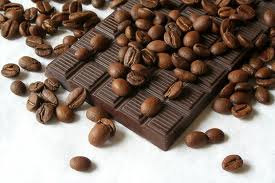
It is cocoa butter that provides chocolate its flavor.
Dipping chocolate is made with larger quantities of cocoa butter than regular eating chocolate.
It is mixed with 0.3 to 0.5 lecithin, which assists the chocolate in more effective mixing and makes it smoother.
Another type is Gianduia, produced by blending chocolate with Hazel nuts.
- Refining: Once these ingredients are merged together they undergo refining process wherein they are kneaded between large steel rollers.
- Conching: Nextly the mixture is conched. During this process the liquid combination is mixed, ground and stirred correctly and continuously for several days while lower quality chocolate is conched for only a few years.
- Tempering: This is the process during which the temperature is constantly varied or fluctuated for achieving the desired type of amalgam.
- Molding: This amalgam is then ready to be molded into chocolate bars.
Chocolate Health Benefits:
Recent studies confirm that it possesses a multitude of health benefits; these are listed down as follows:
- Health advantages from it arise mainly due to a type of chemical that cocoa inherits called epicatechin.
- Cocoa has significant antioxidant action that provides protection against LDL oxidation.
- Some studies observed a modest reduction in Blood Pressure for several hours after consumption.
- A study at the James Madison University revealed that post-exercise consumption of chocolate milk provided a significant amount of muscle recovery in contrast to a high carbohydrate beverage of the same calories.
- Consumption of dark chocolate also leads to increase in HDL cholesterol by 14%.
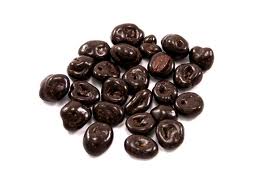
- Dark chocolate has Low Glycemic index which means it does not send your Blood Glucose levels Spiking.
- Since it is made from plants it possesses an array of minerals and nutrients that a plant would possess.
- Modern studies tell that consuming dark chocolate in a proper quantity everyday prevents plaque formation in the arteries.
- Over and above all these Merits of Chocolate it also prevents premature aging and fights cancer.
- Since Cocoa consists of iron and antioxidants it lowers the risk of heart failure and prevents cardiovascular diseases.
- Flavanoids in Cocoa has antidiarrhoeal properties.
- Cocoa based drugs have an ability to fight diabetes, dementia and other diseases.
Chocolate Side-effects:
It is also necessary to go through the demerits or problems that its consumption can create, but no need to worry as these are very few in numbers:
- It contains a small amount of lead that can cause mild lead poisoning.

- It can cause gradually degrading brain functions among children and consumption of larger amounts of leads can even result into permanent neurodevelopmental deficits and impaired IQ.
- Animals often experience significant problems on consuming the same such as heart attacks, internal bleeding and eventually death.
- Animals such as dogs, cats, horses, parrots and small rodents cannot metabolize the chemical called theobromine found in it; hence it is toxic to them.
Did You Know?
- Cocoa and chocolates contain zero cholesterol.
- Army men and sportsmen are often given chocolates because they are amongst the most concentrated vegetable energy suppliers.
- Switzerland leads the world in chocolate consumption with 22.36 pounds per person, followed by Austria and Ireland with 20.13 and 19.47 pounds respectively.
- Its manufacturers use 20% of the world’s peanuts and 40% of the world’s almonds.
- It contains over 375 chemicals.
- Its largest bar ever was manufactured in Italy in 2000, which weighed more than 5000 lbs.
- Its syrup was used to depict blood in Alfred Hitchcock’s film “Psycho”.
- It melts in mouth because cocoa butter in it has slightly lower melting point than average human body temperature.
- Eating just 1 chip will give an average adult the energy needed to walk 150 feet.





[...] reveal that Cinnamon has a regulatory effect on Blood sugar and so it is especially beneficial for Type 2 Diabetes [...]